1634 stories
·
0 followers

Is MAHA dying—or will it be reborn? What's next after crushing midterm losses?

1 Share

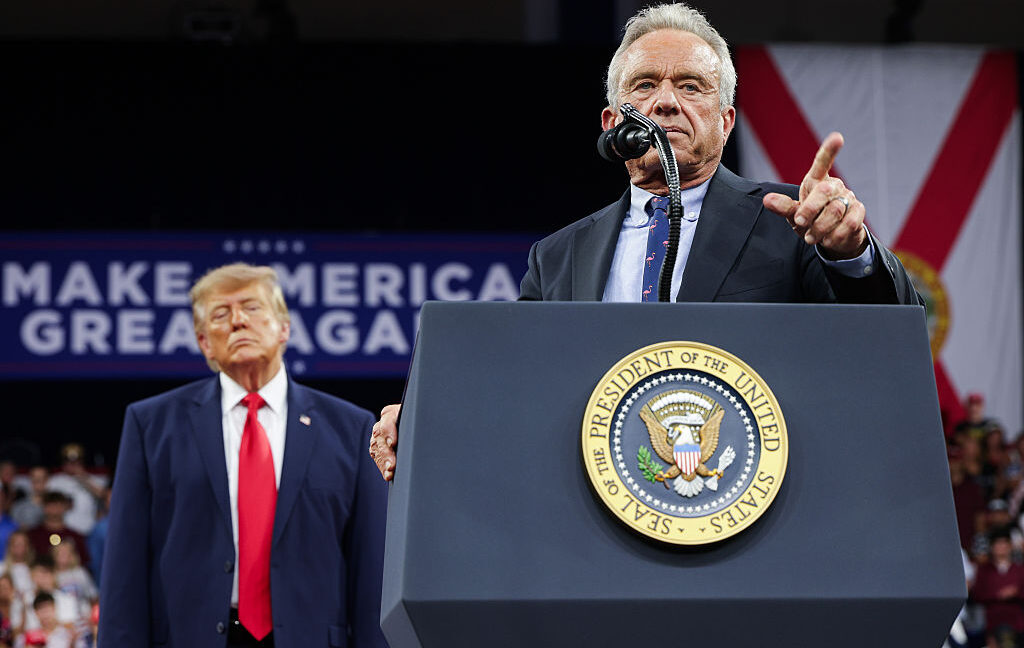
As Democrats blew away their Republican rivals in an unprecedented midterm sweep Tuesday, the Make America Health Again movement also got bowled over, raising questions about the fate of the motley movement.

MAHA—which has centered around anti-vaccine activist and current Health Secretary Robert F. Kennedy Jr.—saw many of its favored candidates and allies lose, while vocal adversaries of Kennedy won. And the coalition was splintering under stress even before the voting started; in recent months, supporters have accused Kennedy and the Trump administration of inaction and betrayals in their two years in power.

Now hobbled in Washington, shedding supporters, and showing little to no influence in voting booths, is MAHA on its deathbed? Or will it be reborn—possibly into a new group? Could it be assimilated into a blue platform—after sloughing off the more repulsive, conspiratorial aspects of Kennedy's ideology? These are the questions circling in the aftermath of Tuesday's bloodbath.

In a social media poll Wednesday afternoon, Mary Talley Bowden—a dejected MAHA activist, anti-vaccine advocate, and doctor reprimanded for prescribing ivermectin to treat COVID-19—polled her followers about what should come next. She offered three options: Start a third party, join the Democrats, or overthrow the GOP. As of publication time, joining democrats trailed at just 3 percent of the votes. The remaining votes were roughly split between overthrowing the GOP—whatever that means—and forming a third party, which had a small lead at 49 percent.

Cracking coalition

That MAHA could fade out entirely or fracture into negligible shards seems like a very real possibility. Its collection of disperate groups and varied agenda items has always made its cohesiveness seem tenuous. A Politico poll in June revealed that people who identified as MAHA had different ideas of what the movement's priorities are (or should be), as well as different political leanings, and sometimes opposing ideologies.

Some within the movement embrace (or at least accept) Kennedy's fringe beliefs, such as his zealous anti-vaccine views, his rejection of germ theory, and his false claim that 5G is damaging our brains and causing cancer. Some also believe, like Kennedy, in chemtrails and want all mRNA vaccines banned. There are members who support his plan to ban water fluoridation and also seem fine with his false claim that Lyme disease was created by the US military as a military weapon.

Others, meanwhile, have been attracted to MAHA by the more reasonable, non-absurd issues Kennedy touts. Those include improving the quality of Americans' food and diets, reducing their exposure to environmental contaminants, and limiting the influence of industry and corporate interests on Americans' health, particularly limiting the sway of pharmaceutical and chemical companies.

With the variety of priorities, Kennedy and MAHA leaders have spent the past two years finding a variety of ways to disappoint their members. Some like Bowdon are angered that Kennedy has yet to ban mRNA vaccines. In February, Kennedy sparked particularly intense backlash among supporters for embracing Trump's decision to increase domestic production of the pesticide glyphosate—a pesticide many in the MAHA movement wanted to see banned. Kennedy further fueled feelings of betrayal in September by appearing at a MAHA-branded summit that had hefty corporate sponsorships, including from behemoths such as Walmart, Anthropic, OpenAI, Grail, and UnitedHealth.

"MAHA was supposed to expose the revolving door between money, industry and government, not build its own," Robert Malone, a fringe scientist and previous Kennedy ally, wrote in a scathing response to the summit.

Signs of dying

Going into the midterms on Tuesday, the number of disenchanted MAHA members had mounted. In October, Tiffany Cianci, a former Kennedy supporter, published a MAHA scorecard, which lists 42 promises that Kennedy and leaders made to the MAHA members and then largely broke. The scorecard reports 37 promises broken, five partially fulfilled, and zero kept. One of the "partially kept" promises was removing synthetic dyes from foods, particularly children's foods. Kennedy announced an effort to do that—with much ballyhoo—but later admitted that the FDA did not ban or even have an agreement with food companies to remove the dyes. Instead, Kennedy said he has an "understanding" with food companies. The dyes remain in foods.

In a press release, Cianci wrote that the scorecard revealed "an abysmal string of broken commitments and betrayals." It also contained a direct quote from her, saying: "I believed deeply in the promise that MAHA represented, particularly the possibility of confronting chronic disease and building a healthier future for America’s children. But belief was never supposed to mean blind loyalty."

The press release included quotes from several other prominent MAHA leaders, all expressing disappointment with Kennedy and the Trump administration. Later in October, Calley Means, a top ally and senior advisor to Kennedy, resigned from his position, reportedly "disillusioned" and frustrated by delays in food policy changes sought by MAHA.

Another prominent figure to fall out with Kennedy was Vani Hari, an online influencer who goes by "food babe" and has previously identified as a "MAHA Mom." As voting results were streaming in Tuesday night, Hari posted a comment on social media that she had given Politico months earlier, saying: "Women don’t come out to vote for glyphosate and war," referring to the pesticide Kennedy had embraced and the Iran war.

Midterm devastation

In the wake of the blue sweep, it's clear that more than half of the 24 MAHA-endorsed candidates lost their races Tuesday. That includes Senate candidate Ken Paxton in Texas and Zach Lahn, who ran for Governor of Iowa. Lahn in particular was considered a "dream MAHA candidate," and his campaign was seen as a test of MAHA's political influence. Kennedy himself headlined a political rally for Lahn last week, calling it "the most important election going on in this country." Lahn lost to his Democratic opponent, Rob Sand, who flipped the seat with an 11-point spread, turning the office blue for the first time in 20 years.

Alex Clark Voetberg, who hosts a wellness podcast called Culture Apothecary for Turning Point USA, echoed Hari, pointing to the glyphosate betrayal as a reason for the defeats. "MAHA moms stayed home and it could’ve swayed some of these races that were unbearably close. Should’ve listened to our warnings on protecting glyphosate—but you needed Bayer for the war," Clark Voetberg wrote on social media.

Otherwise, MAHA also lost allies, such as Senator Roger Marshall (R-Kan.), who founded a MAHA caucus in the Senate. Zach Nunn lost his seat in the House despite reports that Kennedy allegedly intervened in the race to help him win. Meanwhile, critics of Kennedy notched wins, including Representative-elect Richard Pan, a physician from California; Senator-elect Annie Andrews, a pediatrician from South Carolina; and Senator-elect Abdul El-Sayed, an epidemiologist with a medical degree from Michigan.

Many congressional Democrats are already raring to hold Kennedy to account and remove him—and several of the newcomers are eager to help make it happen. In August, Andrews laid out her plans for health priorities to South Carolina Democrats, saying, "I believe we need to fully fund the CDC and the NIH, and I believe we need to impeach and remove RFK Jr."

El-Sayed has also sharply rebuked Kennedy and said he looks forward to holding him "accountable for all of the grift." After Kennedy made egregiously bigoted remarks against Arabs and falsely claimed they don't contributed to science and literature, El-Sayed called out Kennedy's lack of qualifications to be US health secretary. "He is an expert in people who have contributed nothing to science," El-Sayed said. (Kennedy has no background in science, medicine, or public health. He also has a loathsome record of making bigoted and racist comments.)

On Wednesday afternoon, Senator Angela Alsobrooks (D-Md.) wrote on social media: "The time is now. RFK Jr. must resign or be fired. End of discussion."

MAHA and Kennedy

If Kennedy is removed from office, the outlook for MAHA in its current form seems even murkier. On the one hand, Kennedy's removal may make it easier for those in the movement to shed the divisive, abhorrent aspects of his ideology and hone attention to the broadly popular issues—healthy foods, environmental contaminants, and industry influence. Such a move may help MAHA cement itself as a sustainable political fixture. But, some of the most vocal figures in the MAHA realm are doggedly loyal to Kennedy, throwing such a transition into doubt.

Zen Honeycutt, an anti-vaccine activist and founder of Moms Across America, is one of those Kennedy loyalists. Honeycutt drew attention before the election for reaching out to Democrats on common causes. Her group endorsed several blue candidates, including Rep. Alexandria Ocasio-Cortez of New York, Sen. Cory Booker of New Jersey, and Rep. Chris Pappas in New Hampshire (all of them won their races).

“We expect Democrats and Republicans to work together," Honeycutt told Politico earlier this month. "Health is not a political issue. You know, poison is not partisan. Cancer is not choosy."

The sensible comment might suggest Honeycutt doesn't care which party or politician follows through with MAHA's goals, just as long as they're achieved. But, this is not actually Honeycutt's position. Her intentions were made clear in exchanges on social media with Bowden, who harshly criticized Honeycutt for crossing party lines, particularly talking with Ocasio-Cortez. "You understand she’s trying to use you?" Bowden wrote.

Honeycutt explained that she was working to smooth Kennedy's path in Washington, not hand power to Democrats, who she said had been "fascist in mandating vaccines." She instead turned the criticism to Bowden, saying the MAHA infighting and mudslinging was what was hurting the cause and handing Democrats wins.

On Wednesday, Honeycutt reaffirmed her allegiance to Kennedy, warning Democrats that impeaching him would be "extremely unwise." She reposted a comment from one of her followers, writing: "I'm willing to give Dems a chance with their new power before I judge. I’m an independent. Kennedy is my red line. If they cross it I want them to get absolutely fucked in 2028."

"Sums it up," Honeycutt wrote.

The blue in MAHA

Still, there are some inklings that part of MAHA could be absorbed into blue platforms—whether the leaders of the movement in its current form like it or not.

Earlier this month, Brinda Adhikari, a journalist and co-host of the podcast Why Should I Trust You?, argued that MAHA wasn't dying but remaking the Democratic Party to be more like its old self. In a Substack post titled, How MAHA Is Making Democrats Democrats Again, Adhikari pointed to a health policy document from House Democrats with a section, led by Ocasio-Cortez, titled, "Reclaiming MAHA and Protecting American Families."

Adhikari wrote that some of the issues touted by MAHA are a natural fit for the Democratic Party. She stretched back to Rachel Carson's seminal Silent Spring in 1962 and the progressive environmental activism that elevated issues of health, pesticides, toxic chemicals, and corporate influence over public health. "These were once bread-and-butter Democratic issues," Adhikari wrote. "But somewhere along the way, Democrats lost some of their identity as the party leading these fights."

Adhikari and Democrats give credit to Kennedy for redirecting attention to these issues, which have broad support among voters.

"Americans’ concerns about chronic disease and food safety, especially that which is linked to corporate influence over environmental regulation and public health, are legitimate and long overdue for a serious legislative response," the House Democrat's policy document reads. "The Make America Healthy Again (MAHA) movement has galvanized a significant segment of the Republican Party and attracted many previously apolitical and non-traditional voters, yet many of the concerns raised by the movement are bipartisan in nature."

A KFF poll in May found that 75 percent of Americans want stricter regulations on food additives—a prominent MAHA priority—and 64 percent want stricter regulation of pesticides in agriculture, another key MAHA agenda item.

But, Kennedy and the Trump administration have not only failed to deliver on these issues, they have spoiled the movement, using "the legitimate concerns of American consumers about food safety to spread misinformation about vaccines, public health, and science," the policy document reads. "Their rhetoric has systematically led to the erosion of trust in public health, the science community, and decreased vaccination rates, leading to fatal outbreaks in some cases."

Possible political shift

Democrats intend to reclaim the popular health and environmental issues, free of Kennedy's corrosive anti-science rhetoric. The document outlines plans to restore regulations that protect clean water and air damaged by the Trump administration, advance policies to keep toxic substances out of food, and further Food is Medicine policies, which provide produce prescriptions to American families to improve nutrition and health.

Adhikari predicts a political shift. "I increasingly think MAHA’s most unexpected legacy may be pushing Democrats back toward their own roots: challenging corporate power, fighting dangerous chemicals in our food supply, and holding toxic polluters accountable," she wrote.

MAHA leaders tied to Kennedy and the anti-vaccine movement, like Bowden and Honeycutt, are unlikely to get behind such a shift. This could cause MAHA's political power—however strong it actually is—to fracture. MAHA leaders have claimed repeatedly that their followers have the ability to sway elections. If MAHA hadn't been betrayed or at least disappointed by Kennedy and Trump in the last two years, MAHA could have prevented Tuesday's Republican wipeout, they have said.

But the polling data doesn't support the idea that keeping MAHA in its current form maximizes its political power. While MAHA does have significant support among voters—41 percent of US adults say they support MAHA—that support is primarily tied to the health, environmental and food safety issues, which are popular among non-MAHA supporters, too. Further, just 4 percent of MAHA supporters cited vaccines and medical choice—Kennedy's key issues—as their reason for supporting the movement, the KFF poll revealed.

Beyond MAHA's primary issues, both voters overall and MAHA supporters specifically said MAHA issues weren't top of mind this election; instead, both groups named the cost of healthcare as a bigger issue than those prioritized by MAHA (the MAHA movement is not associated with the issue of health care reform). A separate KFF poll on election day found that 50 percent of voters thought that the Democratic Party was better able to handle healthcare, while only 30 percent of voters said the same of the Republican Party.

For now, it's unclear exactly how—or if—MAHA will influence the political landscape going forward. It could break apart, live on in revamped Democratic policies, or try forming a new political party entirely. And, apparently, there's also the possibility it will try to overthrow the GOP.
Read full article

Comments


Read the whole story
Share this story
Delete

You shouldn’t change the style of a Win32 static control after it has been created

2 Shares

Win32 classic static controls come with a bunch of possible styles to describe what it renders and how. Maybe it’s text. Maybe it’s an image. Maybe it’s just a solid color.

What happens if you create the control with one style and then change the style later?

Don’t do that.

The Win32 classic static control was originally written in the early 1980s for Windows 1.0, and back then, people didn’t play funny games like changing a static control from text to bitmap. They barely had enough memory to add two numbers together!

The Win32 static control decides what it is when it is created, and it doesn’t listen to the WM_STYLE­CHANGED message to learn that somebody told it to change its clothes. Mostly because the WM_STYLE­CHANGED message wouldn’t exist for another decade. It assumes that the style doesn’t change for the lifetime of the control.

If you change the style on the fly, say, from image to text, what happens is that the control starts up and realizes that it’s an image, so it loads the image. And then when it is destroyed, it checks what it is, and hopefully it still says “You’re an image,” so it frees the image. But if you secretly changed it to “You’re text”, it says “Well, in that case, I don’t have to free an image,” and the image gets leaked.

This behavior has remained unchanged in the static control for backward compatibility. There are almost certainly programs that “know” about this behavior when they change an image static control to a text static control, so they “fix” the problem by deleting the leaked image. If the leak were fixed in the static control, this would result in a double-delete bug.

So just stay away from the electrified wire. If you need to change the style of a static control, destroy it and create a new one with the new style, or create two static controls (say, one image and one text) and hide one and show the other depending on which one you need.

The post You shouldn’t change the style of a Win32 static control after it has been created appeared first on The Old New Thing.

Read the whole story
Share this story
Delete

Meet the real-life Scottish surgeon who inspired Sherlock Holmes

1 Share

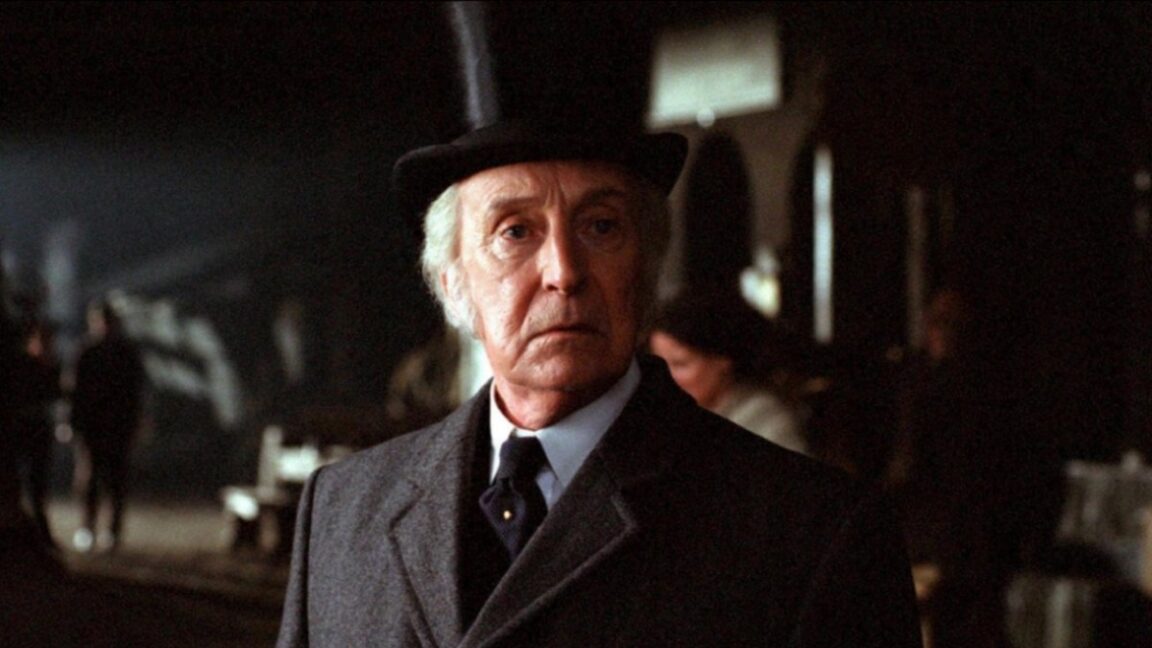
Sir Arthur Conan Doyle created one of the most beloved fictional detectives of all time in Sherlock Holmes, spawning countless novels, films, TV series, and so forth featuring the sleuth. Far fewer people know about the real-life inspiration for Holmes: a renowned surgeon at Scotland's University of Edinburgh named Joseph Bell, who taught Doyle when the author was still a young medical student. Bell is the subject of a new, eminently readable biography, Sleuth-Hound: The Case of the Real Sherlock Holmes, by medical historian Lindsey Fitzharris.

A noted science communicator with a fondness for the medically macabre, Fitzharris published a biography of Scottish surgical pioneer Joseph Lister, The Butchering Art, in 2017—a great, if occasionally grisly, read. She followed up with 2022’s  The Facemaker: A Visionary Surgeon’s Battle to Mend the Disfigured Soldiers of World War I, about a WWI surgeon named Harold Gillies who rebuilt the faces of injured soldiers.

In 2020, Fitzharris hosted a documentary for the Smithsonian Channel, The Curious Life and Death Of…, exploring famous deaths, ranging from drug lord Pablo Escobar to magician Harry Houdini. Fitzharris performed virtual autopsies, experimented with blood samples, interviewed witnesses, and conducted real-time demonstrations in hopes of gleaning fresh insights. And last year she and her husband, caricaturist Adrian Teal, collaborated on an illustrated children's book, Dead Ends! Flukes, Flops, and Failures that Sparked Medical Marvels.

With Sleuth-Hound, Fitzharris returns to the Edinburgh of The Butchering Art, of body snatchers and surgeons' discovery of ether, which was also the Edinburgh of Arthur Conan Doyle and Joseph Bell. Bell was notorious for his peculiar method of diagnosis: he was able to infer a patient's occupation and personal habits, as well as any ailments, just by looking at them. For instance, Bell once figured out the route a patient had taken walking to the infirmary by identifying the type of clay on the patient's boots—an incident Doyle used in The Sign of the Four. Bell was also something of a medical detective, working with a local police surgeon on some of the most famous murder cases of his day.

Ars caught up with Fitzharris to learn more.

Ars Technica: What drew you to writing an entire book about Joseph Bell?

Lindsey Fitzharris: I've known about Bell because I'm a medical historian and I knew that he was an inspiration for this character, but nobody had written a big commercial book on him. There was a book in 1982 by a guy named Ely Liebow. So people in the Sherlockian world, they know a bit about Bell through him, but I really wanted to bring a medical history lens to it.

When I sold the Sleuth-Hound proposal, I had never read the original Sherlock Holmes tales. I decided to put off reading them initially because I knew enough about Bell to know that it became an irritating comparison; he found it rather reductive at the end of his life. I really wanted to bring the real man behind the myth to life in Sleuth-Hound, not just as the inspiration for Sherlock Holmes, not just as this parlor trick, but as this complex character. I've been talking to a lot of Sherlockians who have been really surprised at how much Bell is Sherlock, but also how much he isn't Sherlock. That's an interesting discussion as well: why Conan Doyle focused on this one aspect of him.

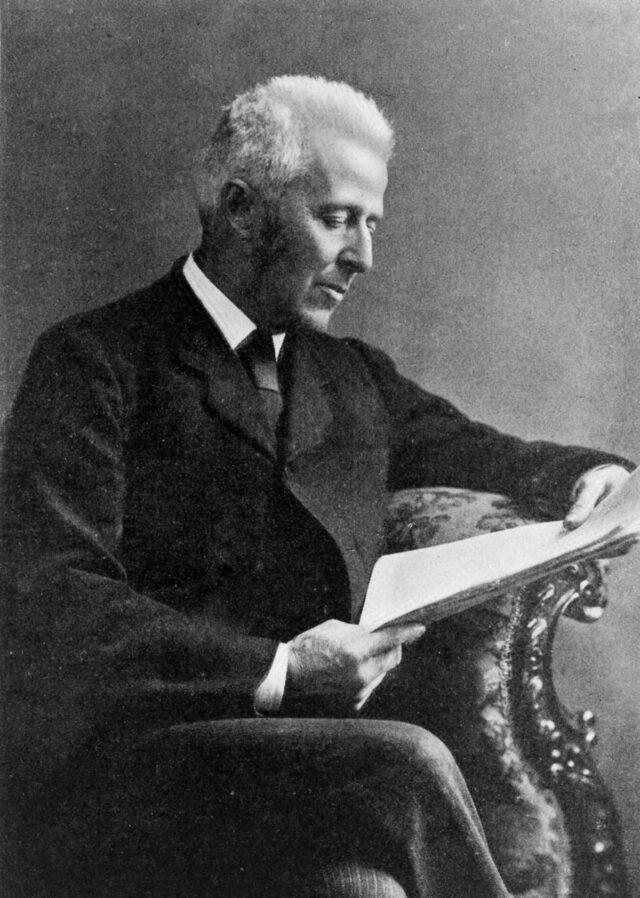
black and white photograph of a white haired man sitting and perusing a paper Dr. Joseph Bell Credit: Public domain
Ars Technica: What are some of the ways Bell is and isn't Sherlock?

Lindsey Fitzharris: He had this Sherlockian way about him where he could tell everything about a person before they ever spoke a word: a callous, a stain, a limp, all were clues to Bell if you only knew how to see it. But in a lot of ways he wasn't Holmes. For instance, he was a deeply empathetic character. He was very feeling for his patients. And he also was a family man. His wife dies when he's in his 30s, and he doesn't remarry his entire life. He holds the torch for her. She dies in childbirth, and he raises his three children alone.

My husband is a caricaturist, and we have this discussion about how he can only caricature people he doesn't know well. That's because caricature is about those first impressions. I think Conan Doyle knew Bell in his capacity as a student, but he didn't know Bell the man. So he took the most recognizable flashy trait of Bell and transposed that onto Sherlock Holmes. The question I pose at the end of the book is, would Holmes exist if Conan Doyle had known Bell better, or would he exist in the same format?

Ars Technica: Did Conan Doyle's contemporaries recognize the similarities?

Lindsey Fitzharris: Those who knew Bell recognized it immediately. Robert Louis Stevenson reads Sherlock Holmes. He writes to Conan Doyle and he says at the end of the letter, "One thing bothers me, could this be our old friend Joe Bell?"

But Bell was a lot more complex, and I really wanted to bring that medical history lens, because this isn't just a story about his relationship with Conan Doyle and the inspiration for Sherlock Holmes. It's about the development of forensic medicine. It's about the moment that medicine enters the courtroom for the first time. Bell wasn't just the inspiration for Holmes; he was actually doing what Holmes was doing in practice. He was working officially with a police surgeon named Henry Duncan Littlejohn, who was fascinating in and of himself. He was a pioneer of fingerprinting and courtroom photography. They end up partnering and working on some of the biggest high-profile cases in Scotland in the 19th century.

Ars Technica: I was frankly shocked about the baby farming case; I had no idea that was a common practice.

Lindsey Fitzharris: It's such a crazy story. The thing that I want people to contextualize here is that there was no birth control. So there were a lot of women having a lot of children, and they were deeply impoverished, and they didn't have enough money to feed these children. So they turned to the baby farmer. In theory, the baby farmer took the child and then took a fee from you, the mother, with the promise that they would farm out the child to somebody who could take care of the child. That was how it was supposed to work. There were no legal routes for adoption in the 19th century, so they turned to the baby farmer.

The case in Sleuth-Hound, the baby farmer, Jessie King, ends up taking the fee and then just killing the infants. This was a horrific case. The chapter opens with these boys finding this bundle of rags and using it as a football and kicking it around. And then they open it, and it's the decomposing remains of a child. Littlejohn and Bell work on the case. They perform the postmortems; they testify in the trial.

One of the dark themes of this book is that a lot of early forensics was built on the brutalized bodies of women in particular. Jessie King was killing infants, but this is a crime that is particular to women—women trying to get their children into families that could afford to feed them. A lot of the crimes are committed on women who never receive any justice, but the science outlives what their bodies taught these early forensic investigators like Bell and Littlejohn.

Ars Technica: Case in point: the infamous Chantrelle murder case and how it coincides with the rise of toxicology.

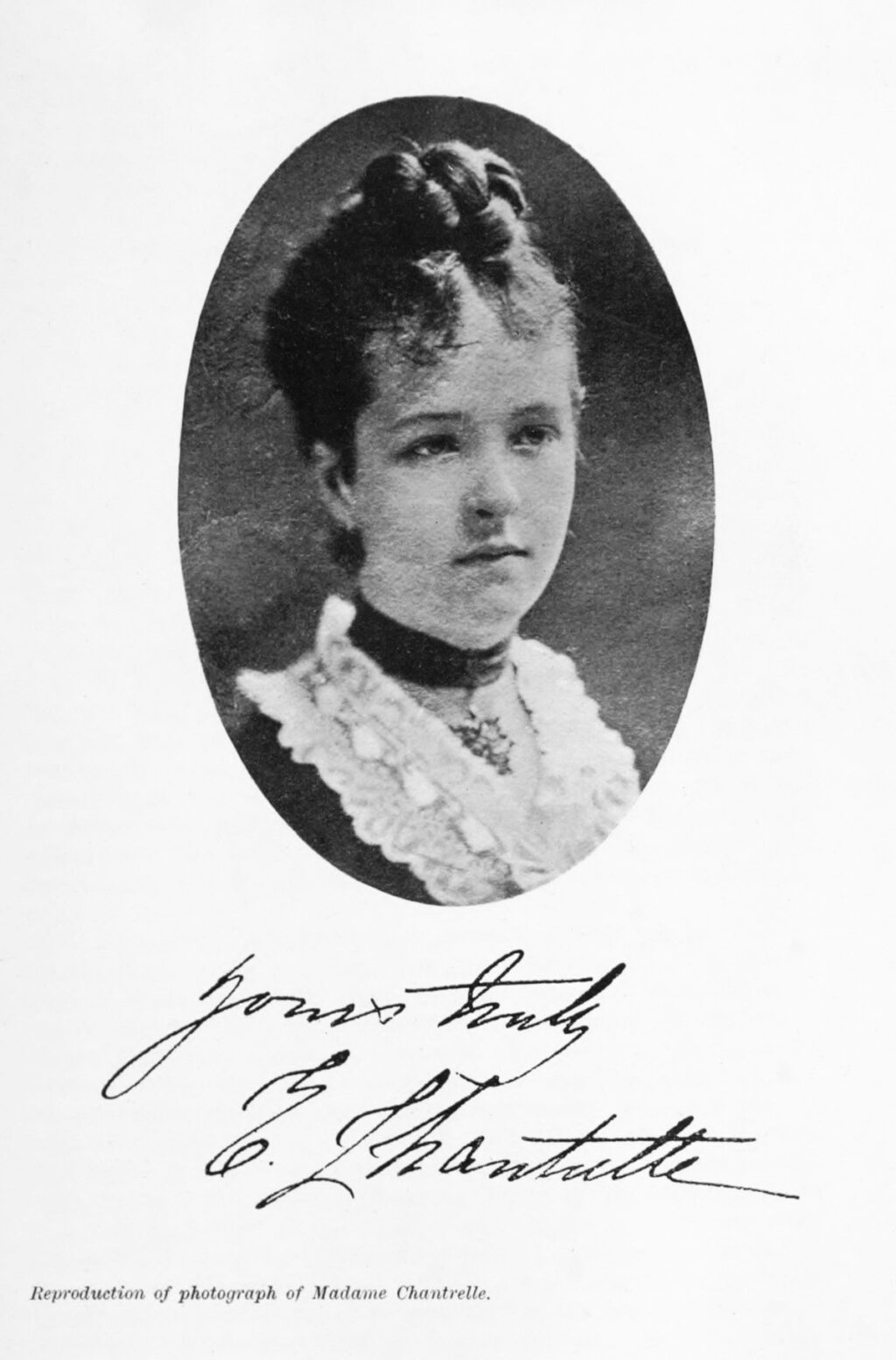
Lindsey Fitzharris: The Chantrelle case is so fascinating to me. Eugene Chantrelle was this respectable gentleman who lived in Edinburgh. He was a French tutor, and his wife Lizzie is seemingly poisoned by a gas leak, a broken pipe in the flat, and she's removed from the property and later dies. But it turns out that Chantrelle was abusing her the entire marriage.

Elizabeth Chantrelle c. 1876
Elizabeth Chantrelle c. 1876. Credit: Public domain
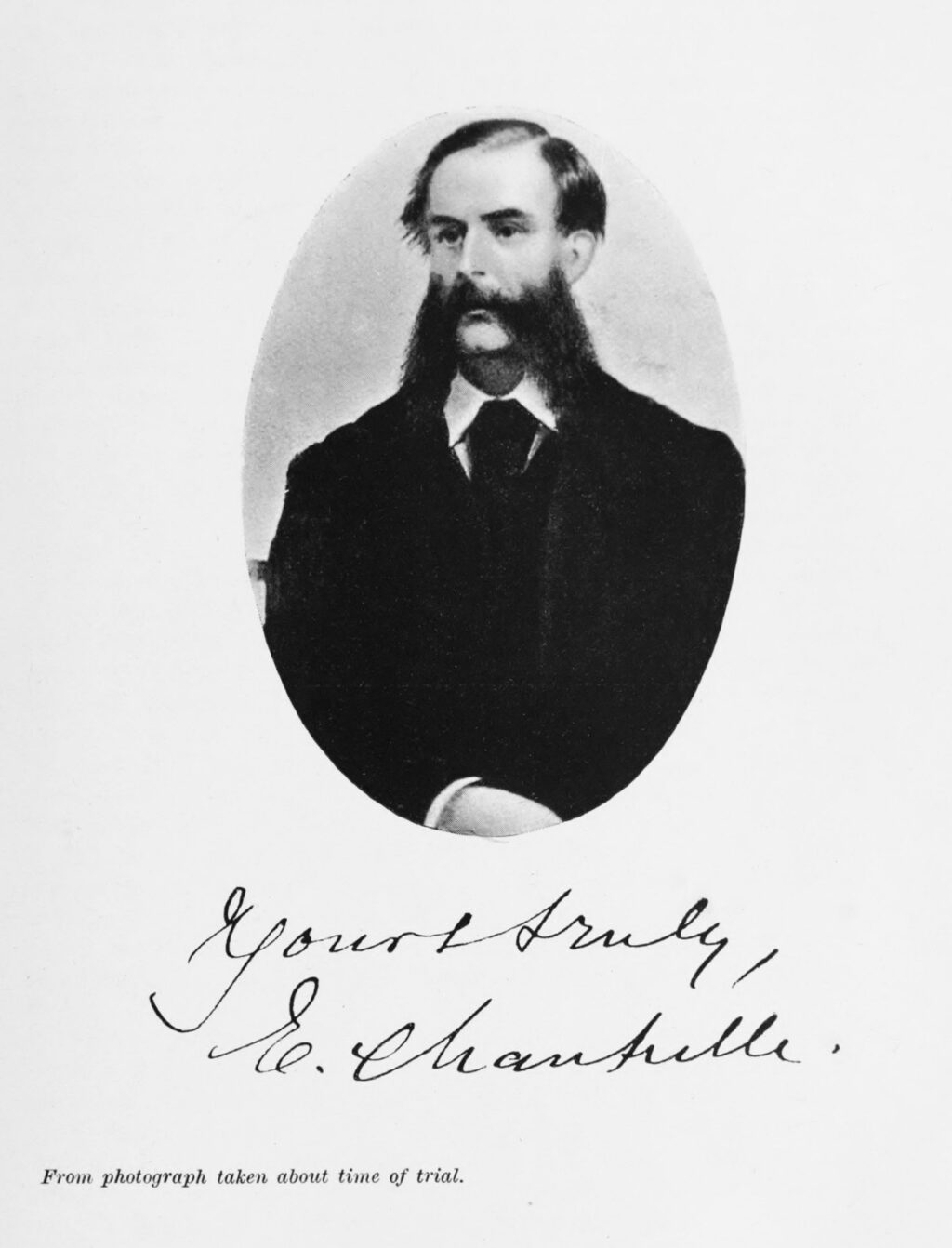
Eugène Chantrelle around the time of the trial in 1878
Eugène Chantrelle around the time of the trial in 1878. Credit: Public domain

We think Littlejohn brought Bell onto the case. Bell and Littlejohn discover that it was opium poisoning, and they test the vomit on her nightgown, and they're able to tie him to this crime. Bear in mind, Bell worked like Sherlock Holmes. He worked in the shadows. So in these earlier cases, it was very difficult to know if Bell really did work on them.

But there's a really intriguing clue at the end of this story. Littlejohn investigates, [Eugene Chantrelle] is convicted, and he is hanged for this murder. On the scaffold, he allegedly looked around at the audience, locked eyes with Littlejohn, and shouted, "Give my regards to Joe Bell. He did a good job putting the noose around my neck." This was such a Sherlockian moment. How did Chantrelle know that Bell had worked on this case? We don't have any records that actually confirm this except that he allegedly said this on the scaffold.

The other extraordinary aspect of this story is that Chantrelle was drinking buddies with Robert Louis Stevenson, so he becomes one of the inspirations for Dr. Jekyll and Mr. Hyde: this respectable person on the outside and very sinister and evil on the inside. The prosecutor told Stevenson that this was not Chantrelle's first victim and that he had killed four or five other people with his opium and cheese parties.

Ars Technica: Your book launch should feature an opium and cheese party.

Lindsey Fitzharris: (laughs) And ether drinks. You're invited. The Victorian period was wild because there were a lot of poisons that you could just get over the counter from your pharmacist. Chantrelle had trained as a doctor at one point and had bought a huge amount of opium just before the murder. Even the chemist thought that this was strange, but he assumed that Chantrelle was a doctor. So poison was a big problem in the Victorian period. Some of it was legal, it was hard to detect. Forensic medicine was just developing. I call it the golden era of murdering because you probably had more of a chance in the 19th century of getting away with it.

Ars Technica: Sleuth-Hound is written in a deceptively novelistic style, but you've clearly done very extensive research on this. What sources did you find most helpful? 

Lindsey Fitzharris: One of the things that happened was that Bell's diary became available, that had been locked away for over a century by the Bell family. Perhaps they were waiting for enough time to pass. I almost called the book Sleuth-Hounds because I do also think Littlejohn taught Conan Doyle as well. Bell gave Conan Doyle the method, and Littlejohn gave him the world of forensics. He was a professor of forensics in Edinburgh at the time. We can flesh out what Bell was doing because we know that they worked together often on these cases.

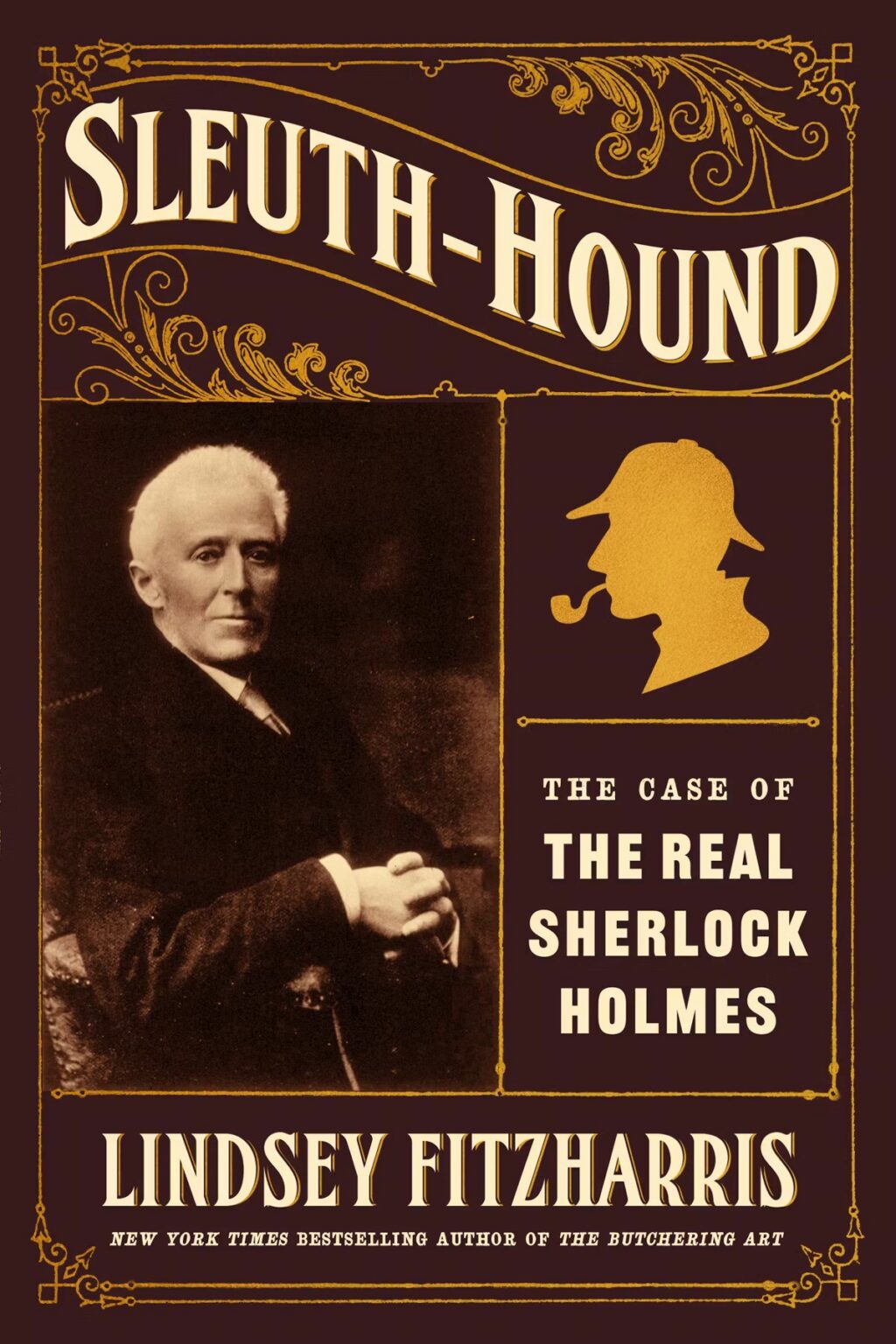
book cover art showing Joseph Bell opposite a silhouette of Sherlock Holmes
Credit: Macmillan
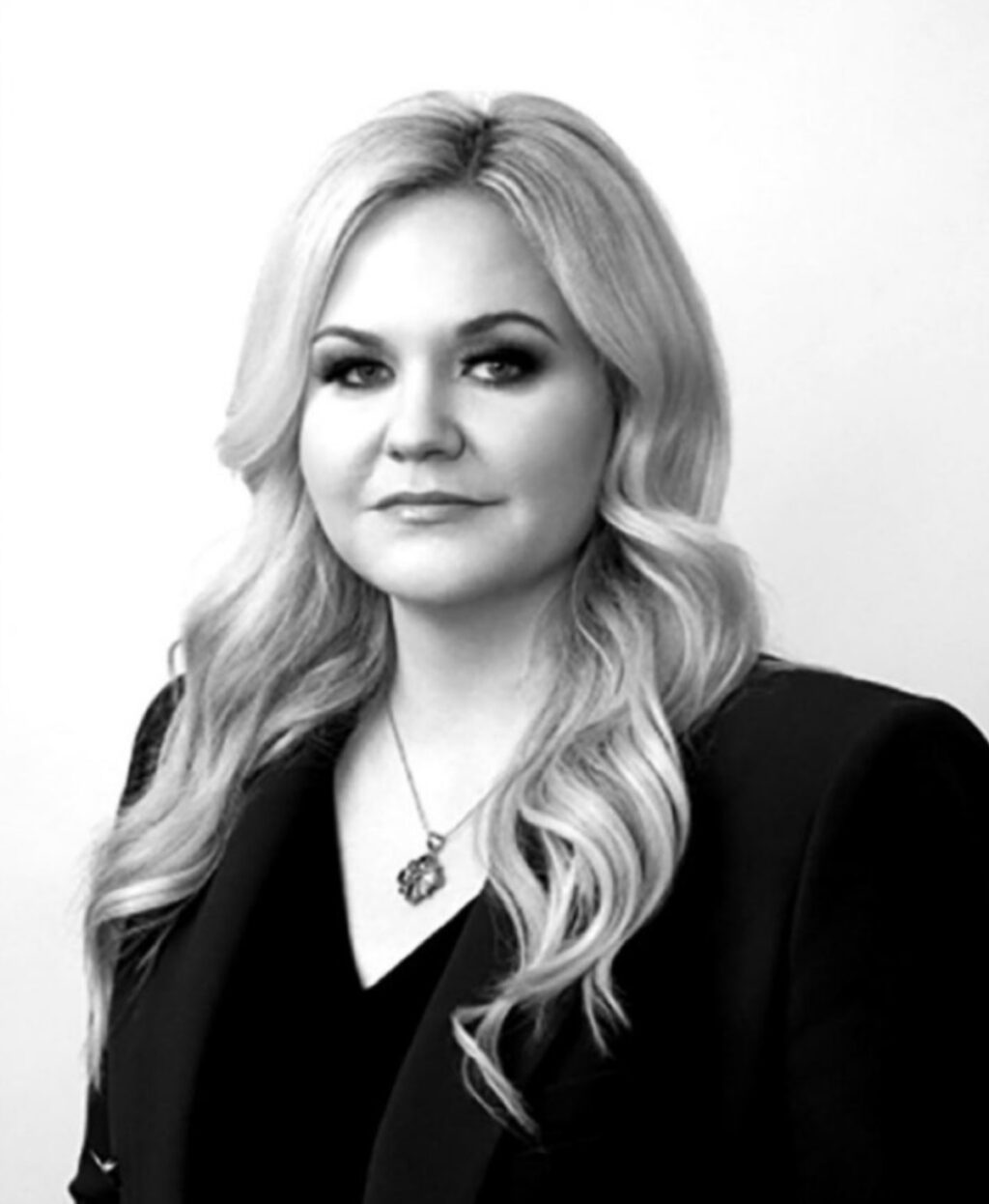
author photo of young woman with long blond hair
Credit: Lindsey Fitzharris

You do get dialogue through the murder trials, because there's so many documents and court records that go along with these trials. There are a lot of letters, diaries. Nothing's made up, but sometimes I had to take educated guesses. For instance, Conan Doyle is a terrible narrator of his own life. He constantly is contradicting himself, even in his own memoirs. It was difficult figuring out when he came into contact with Bell for the first time. I believe it's in the winter of 1878, and I provide a lot of context for that in the back notes of the book.

I'm a historian. It's got to be armed to the teeth with sources. But I want people to be able to pick up the book, not know anything about Sherlock Holmes, not know anything about medical history or forensics, and just be able to enjoy it. Medical history is the most universal way into the past. I make the past relatable. I tell you what that was like a hundred years ago.

My superpower in 2026 is that I'm one of the few people who can make you feel good about living today. Progress is not a straight line necessarily, but if you had that medical crisis a hundred years ago, it would've been a lot worse. I've been through cancer myself. Today is the best day to be alive and to get that diagnosis and tomorrow will be a little bit better, because I'm an optimist when it comes to medicine. I'm hoping that chemotherapy or radiation treatments will become obsolete. They're brutal. And there's a cancer vaccine on the horizon.

Ars Technica: In the US, sadly, we're going backwards on vaccines for preventable diseases like measles.

Lindsey Fitzharris: I know. We have short memories. We don't remember. It's weird to me as a medical historian because I remember it all. I remember the times when parents lost their children to preventable diseases. It's coming back, and it's sad to see that repeat. If I could just show people the diaries and the letters of brokenhearted parents who lost child after child to measles or polio and all of these diseases we can now treat and prevent. I put up pictures of smallpox on social media, and people think it's AI. They can't believe that something like that existed. It's the only human virus we've ever eradicated. It should be celebrated. So I'm always out there banging the drum. I hope that we steady the ship a bit and people learn from the past again.

Read full article

Comments


Read the whole story
Share this story
Delete

EPA throws in the towel on policing air pollution from factory farms

1 Share

The Environmental Protection Agency late last week announced it would end a 20-plus-year effort to develop methods to monitor air pollution from factory farms, effectively shuttering the agency’s stop-and-start attempts to regulate the potentially pollutant-spewing facilities under the Clean Air Act.

The announcement came just days before the midterm elections and was characterized by the agency as a long-awaited reprieve for farmers, a historically important constituency for Trump and the Republican Party.

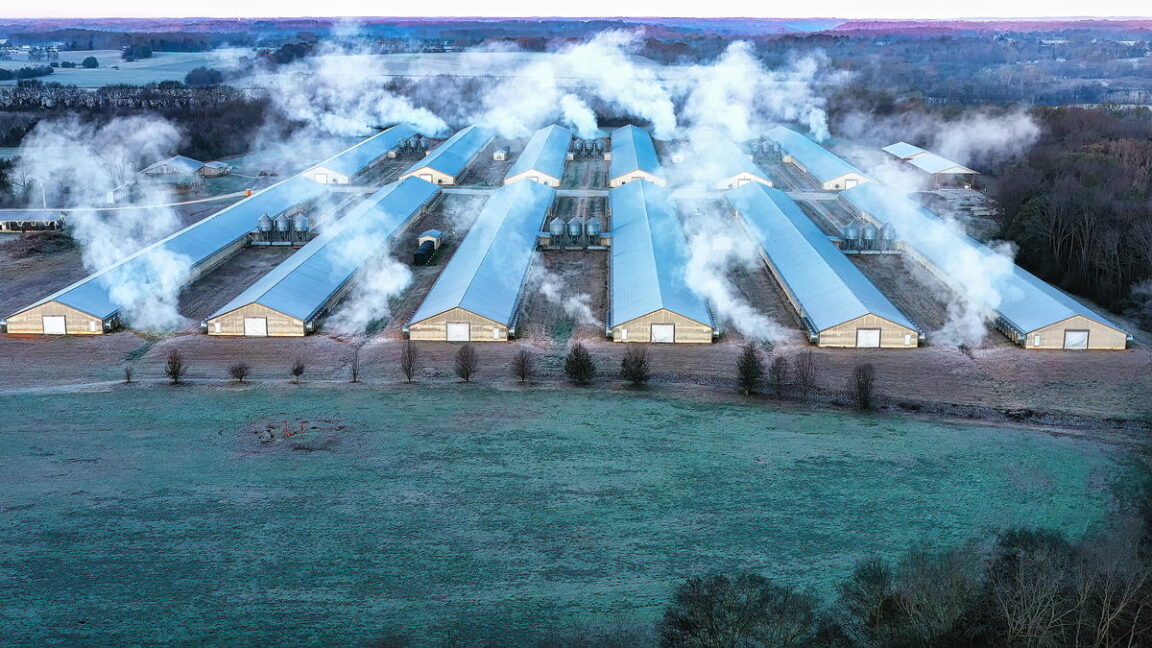
When tens of thousands of animals are packed into one place, pollution from their waste is blown from ventilation fans or emanates from giant lagoons of liquid effluent. Livestock facilities emit fine particulate matter, ammonia, nitrogen oxides, sulfur dioxide, and volatile organic compounds, all contributing to a toxic mix. Research has shown that emissions from these operations are a major cause of air pollution, causing nearly 12,700 deaths in the United States a year.

Strictly speaking, concentrated animal feeding operations, or CAFOs, are required to get permits under the Clean Air Act and report emissions of these pollutants under the Comprehensive Environmental Response, Compensation and Liability and Act and the Emergency Planning and Community Right-to-Know Act. But through a deal crafted in tandem with the EPA and the livestock industry, they’ve been given amnesty from doing so for more than 20 years.

The arrangement goes back to the early 2000s when the agency attempted to prosecute CAFOs for exceeding limits on some of these pollutants. The industry pushed back, arguing there was no adequate way of measuring them. So the agency worked with industry groups to develop what was dubbed the Air Consent Agreement, through which the EPA granted thousands of CAFOs safe harbor from legal action in exchange for their participation in a study that was funded by the industry.

The goal of the study, the agency said, was to develop tools and models that CAFOs could use to “determine whether they emit pollutants at levels that require them to apply for permits under the CAA or submit notifications under CERCLA or EPCRA” and “produce a scientifically sound basis for measuring and estimating air emissions” from these facilities.

But since the adoption of the agreement in 2005, the agency has failed to produce any air “emissions estimating methodologies,” even prompting a 2017 report from the agency’s Office of Inspector General that faulted it for slow-walking the process.

Meanwhile, the Trump administration and Congress have also gutted reporting requirements for factory farms to report air pollutants under CERCLA, also known as the Superfund Act, and EPCRA.

“As EPA has been saying it’s proceeding with this plan, it’s been dismantling all of its own tools to regulate emissions,” said Tarah Heinzen, the legal director for the advocacy group Food & Water Watch, which has tracked the proceedings from the beginning and filed dozens of lawsuits attempting to push regulators to control pollution from CAFOs. “Now it has announced it has no intention, basically, of ever holding factory farms accountable under the Clean Air Act, either.”

In its October 30 announcement, the agency noted that in the two decades since the study, known as the National Air Emissions Monitoring Study, was conducted, many farms have modernized their barns and manure systems.

“Good science requires good data, and these data are too old and too limited to support methods that farms could rely on,” said Abigale Tardif, the acting assistant administrator for the agency’s Office of Air and Radiation, in a statement. “We would rather tell farmers that plainly than issue numbers we cannot stand behind.”

Rob Brenneman, president of the National Pork Producers Council, which has long pushed for the decision, said in a statement: “This move confirms what farmers have long known: Every farm is different, and there is no one-size-fits-all model to apply to them.”

Heinzen noted that the agency’s decision simply means that this administration has no intention of regulating air emissions from CAFOs, but for now, the Clean Air Act still requires permits for facilities that exceed emissions thresholds. The amnesty granted to these facilities will no longer be in effect now that the agreement has concluded.

“There’s no EPA-issued methodology to estimate emissions,” she said. “That doesn’t mean that there aren’t good studies out there of emissions from different types of animal feeding operations that can be used.”

Heinzen pointed to California, which has models for livestock emissions that it uses to enforce its own air regulations. “We just don’t have one set of national emissions factors from EPA,” Heinzen said. “That does not absolve these factory farms from their obligation to comply with federal law.”

Still, under this administration, it’s clear air emissions from factory farms won’t be measured and monitored any time soon. “No one’s going to estimate anything,” Heinzen noted. “As EPA said in its press release, we’re certainly not about to try to enforce the law.”

The Air Compliance Agreement did not extend to methane. The US livestock industry is the single-biggest source of methane in the country, but Congress effectively blocks livestock facilities from reporting methane emissions in annual spending bills.

Georgina Gustin covers agriculture for Inside Climate News, and has reported on the intersections of farming, food systems and the environment for much of her journalism career. Her work has won numerous awards, including the John B. Oakes Award for Distinguished Environmental Journalism, and she was twice named the Glenn Cunningham Agricultural Journalist of the Year, once with ICN colleagues. She has worked as a reporter for The Day in New London, Conn., the St. Louis Post-Dispatch and CQ Roll Call, and her stories have appeared in The New York Times, Washington Post and National Geographic’s The Plate, among others. She is a graduate of the Columbia University Graduate School of Journalism and the University of Colorado at Boulder.

This story originally appeared on Inside Climate News.

Read full article

Comments


Read the whole story
Share this story
Delete

MIT Researchers Used GPT-6 Astra To Edit Qwen's Open Weights Directly, Boosting Math Scores

2 Shares
An anonymous reader quotes a report from VentureBeat: Researchers from the Massachusetts Institute of Technology (MIT) Computer Science & Artificial Intelligence Laboratory (CSAIL) reported today that they used OpenAI's GPT-6 Astra language model to raise a small, open source Qwen model's math score roughly sixfold by directly editing its weights -- the numerical parameters that govern its behavior. Rikiya Takehi, Jayden Teoh, Alex Zhang and Omar Khattab described their work in a research blog post published November 2. They call the approach "weight-space programming" and tested Astra's ability to interpret and alter networks without using conventional training procedures to generate the edits. In the strongest language-model example, Astra's intervention raised Qwen3.5-0.8B's MATH-500 score from 7.9% to 48.1% while touching approximately 0.016% of its weights. The improvement came primarily from correcting repetitive reasoning—a distinction that shaped both the technical findings and the debate over their implications. Their experiments explored a broader possibility: AI systems that inspect, repair and construct other neural networks by working directly on their internal machinery. "This is cool as heck!" wrote Yuchen Jin, a technical staffer at Databricks and former co-founder and CTO of Hyperbolic Labs who was unaffiliated with the research, on X. "Imagine using a large LLM to directly edit a smaller model's weights and dramatically improve its capabilities. It's like gene editing for neural networks. Even cooler than distillation!" Voyage AI staff researcher Chandan Singh, formerly of Microsoft AI, also reacted to the findings: "For anyone questioning whether this post is overhyped, I think they are actually *underselling* the approach."

Read more of this story at Slashdot.

Read the whole story
Share this story
Delete

Mangle everything: modulated mayhem in circuit-bent Sinevibes Malfunction v3

1 Share

This is why you get intimate with code, line by line. Artemiy at Sinevibes obsessed over details, breaking a filter model by rewiring its internal connections -- and now, with v3, giving it precise modulation in a wide variety of shapes. Now, like kids kicking over a sandcastle, we can take that handiwork and apply it to total, absolute destruction.

The post Mangle everything: modulated mayhem in circuit-bent Sinevibes Malfunction v3 appeared first on CDM Create Digital Music.

Read the whole story
Share this story
Delete
Next Page of Stories